Transformation in Travel to Romania: People, Profitability and Practice
Transformation in Travel to Romania
Transformation is a story the world loves, especially in travel to Romania where emotional language often replaces precision. It is easy to promise and even easier to dramatize. In travel especially, it has become a shorthand for emotional marketing.
We use the word carefully.
Transformation does not emerge from intention alone. It depends entirely on the specifics of the people involved, on who is driving the car, who is opening the door, who is cooking the meal and who is listening when a guest speaks.
Over the past years of designing Romania private tours and bespoke travel in Romania, we have learned that meaningful change rarely announces itself. Instead, it reveals itself through small decisions repeated consistently over time.
What Transformation Looks Like in Practice
A traveler once arrived with a faded photograph and the hope of finding a family house somewhere in rural Transylvania. The only visible detail was a painted number on a wall. Alex, one of our guides, drove slowly through villages where numbering systems still follow older patterns. He compared rooflines, gate carvings and distances between houses until they found number 108. A neighbor recognized the surname and made a call. Relatives then met for the first time in a courtyard that had quietly held that history.
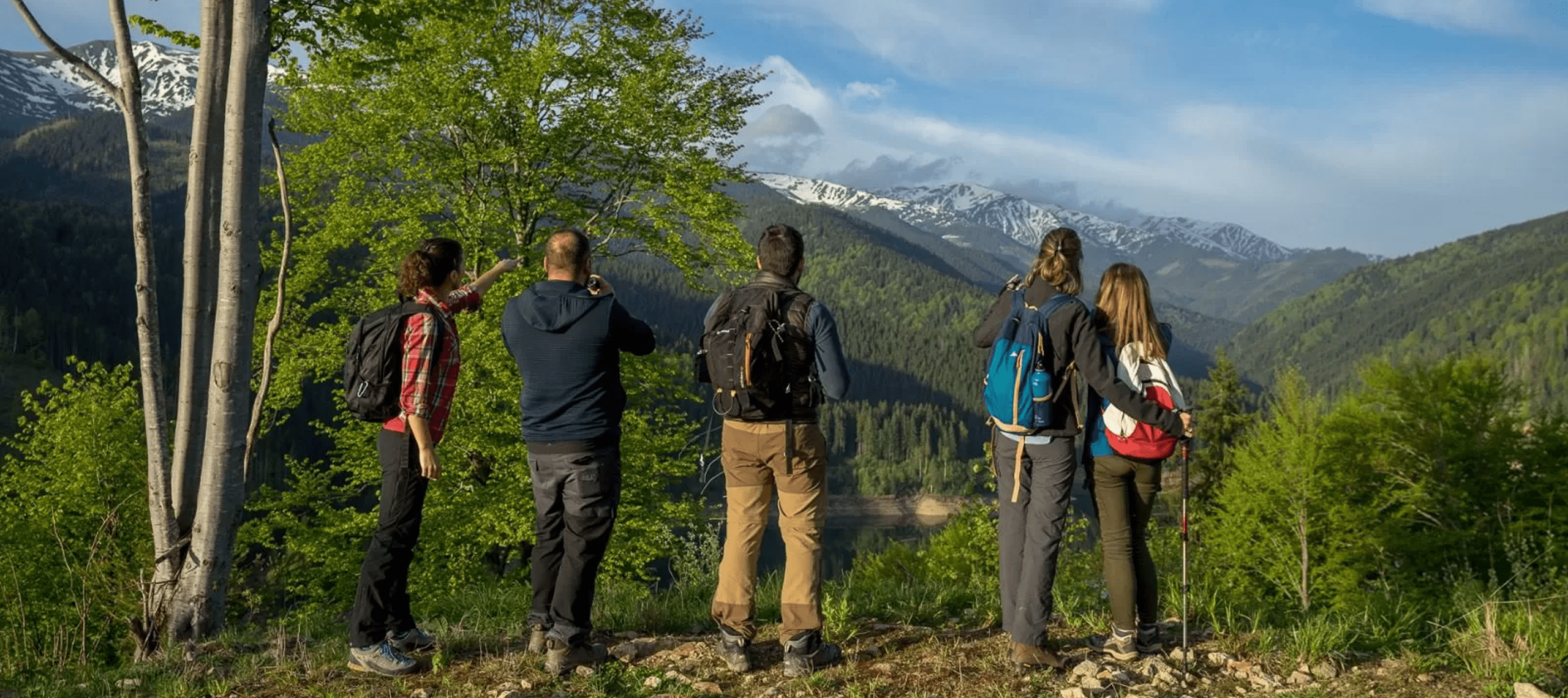
Another group later wrote not about castles or monasteries, but about how Anita adjusted the pace of a day because the light in a village felt right, and how Andrei extended a lunch when a host began describing recipes passed down from her grandmother. The travelers described feeling accompanied rather than managed.
These moments are not dramatic. They are precise because people who understand that guiding is relational work shape them.
When we read reviews from guests who travel to Romania with us, the same pattern appears. They speak about George remembering a preference from the first day of the journey, about Ilona explaining why a fortified church still matters to the village around it and about Mihai quietly rearranging a schedule so a family could spend more time in a place that felt unexpectedly personal.
In these cases, transformation does not look cinematic. It looks attentive.
The Risk of Romanticizing It
There is a temptation to turn these stories into mythology. We resist that.
Not every journey changes a life and not every guest arrives searching for ancestry or leaves with a new worldview. Travel is not therapy and we do not market it as such.
Instead, we observe something subtler. Guests often leave with a recalibrated sense of scale. Romania travel surprises them not because it performs for them, but because it functions with continuity. Villages are not staged. Hosts are not actors. Guides are not narrators detached from place.
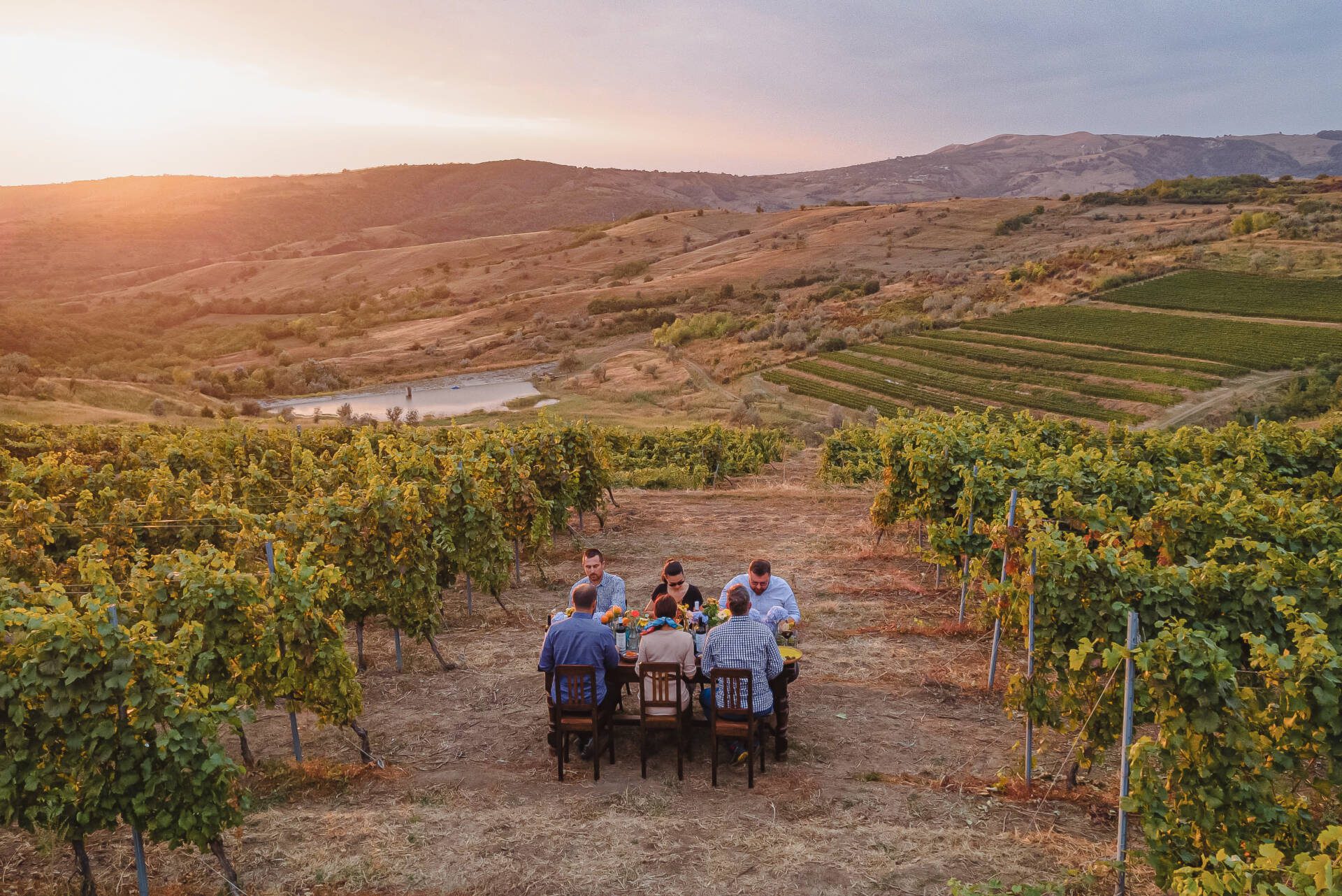
When someone describes feeling safe in a rural region they once hesitated to visit, or unexpectedly moved by Romanian cuisine in a family kitchen, that is enough. It is honest.
We do not Disney-fy these stories because they do not need embellishment.
Why Transformation and Profitability Are Connected
Doing good and building a highly profitable business are often presented as opposing ideas. In practice, they reinforce each other.
When travel to Romania grows from trust and long term relationships, guests tend to return and recommend the experience to others. Guides such as Alex, Anita or Peter build careers based on dignity and professional pride, which stabilizes quality. Guesthouses in Transylvania and across the Romania countryside operate with continuity, and the experience strengthens over time.
Transformation, when it is specific and grounded in real people, creates resilience. It strengthens reputation, encourages repeat travel and supports local economies. A business model based on care proves durable over time.
For us, transformation is not a marketing promise. It is a practice shaped by the people who deliver it every day.
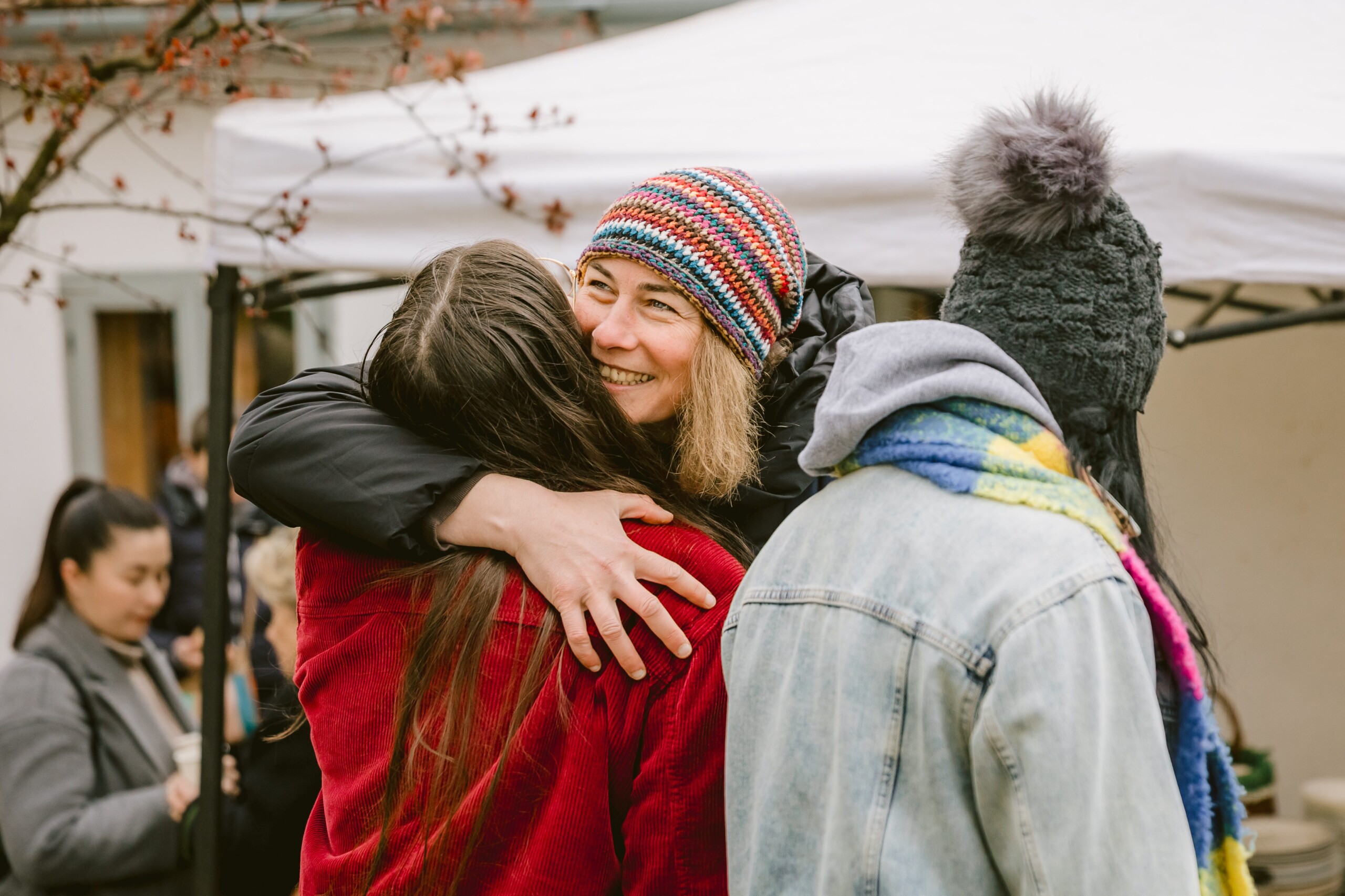
The People Who Make the Place
This year, we are focusing more explicitly on what we call the human infrastructure of Romania.
We treat it as a practice rather than a slogan.
The people whose work shapes the experience of a place include the guide who notices when to slow down, the host who lights a lamp for late arrivals and the driver who verifies a family story before presenting it as fact. Luis explains architectural nuances in a way that makes them accessible, and Anne translates conversations so they feel direct rather than mediated.
These are not grand gestures. They are professional disciplines exercised daily.
If we think about the next decade, growth will not be measured by volume alone. It will depend on whether we can continue building a model where transformation remains specific, measurable and grounded in the people who deliver it.
The story the world loves is transformation. What interests us more is how it actually happens.
In Romania, it happens because someone cares enough to be precise.
Planning to travel to Romania? Let us design a private journey shaped by the people who make the place.
Get the Inner Story of Romania
"*" indicates required fields