Cultural Events in Romania We Follow Every Year

Cultural events in Romania rarely appear on the typical travel checklist. Most people planning a trip to Romania begin with places: a region, a city, a fortified church, or a stretch of mountain road. Yet throughout the year, certain places take on a different role. A former industrial building in Timișoara becomes a meeting point for contemporary art. A fortified church in Transylvania hosts a chamber music concert. Thousands of people gather in Cluj-Napoca to watch films long after sunset.
Over the years, we have found that some of Romania’s cultural events reveal just as much about the country as its landscapes do. They show what people are creating, discussing, restoring and celebrating. They attract international visitors, bring together local communities and offer another way to travel in Romania beyond the usual routes.
These are some of the cultural events we follow every year and often recommend to travelers looking for a deeper connection with the country.
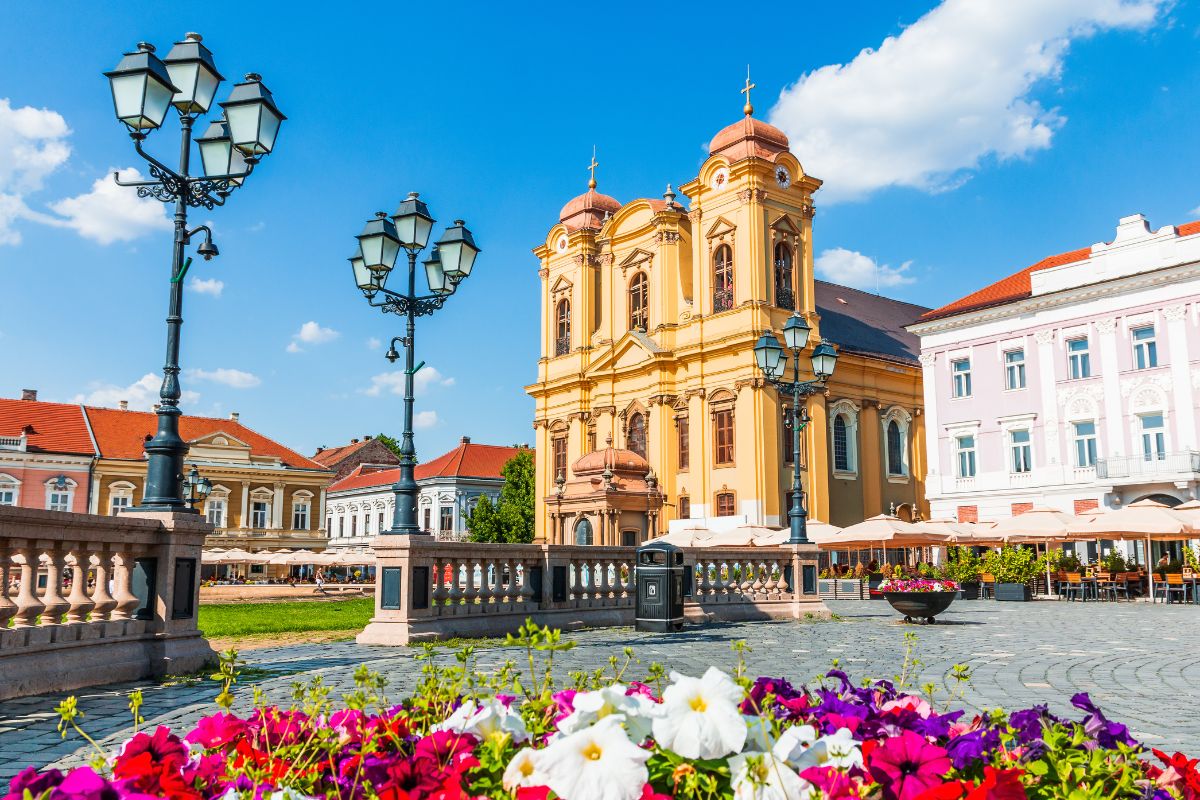
Art Encounters, Timișoara
If there is one event we have watched grow with particular interest over the past few years, it is Art Encounters in Timișoara. What began as an ambitious contemporary art initiative has developed into one of the most important art platforms in Romania, bringing together international artists, curators and institutions.
Its growth is visible in the city itself. Since Timișoara’s year as European Capital of Culture in 2023, contemporary art has become a more visible part of the city’s identity and Art Encounters has played an important role in that evolution. Each edition activates galleries, museums, industrial buildings and public spaces across the city, creating connections between local audiences and the international art world.
This growing visibility is also beginning to influence travel. In 2026 we received one of our first requests from travelers interested in organizing a journey around Art Encounters itself. That felt significant. People have long chosen to visit Romania for Transylvania, the Danube Delta or the Carpathian Mountains. Increasingly, some are also coming for contemporary culture.
The foundation continues to attract internationally recognized curators. Following the 2025 edition, curated by Ana Janevski from MoMA New York and independent curator Tevž Logar, Art Encounters announced that Philippe Van Cauteren, former artistic director of S.M.A.K. in Ghent, will curate the 2027 biennial.
For travelers interested in contemporary culture, Art Encounters offers a compelling reason to visit Timișoara and discover the Banat region. It also reflects a Romania that participates actively in international artistic conversations while continuing to build its own cultural institutions.
SoNoRo Musikland, Transylvania
Some events encourage people to discover places they might otherwise overlook. SoNoRo Musikland does exactly that.
Every summer, musicians perform in fortified churches, manor houses and historic buildings scattered throughout Transylvania. Concerts take place in villages such as Criț, Meșendorf, Viscri and Cobor, bringing audiences into landscapes that have been shaped by centuries of Saxon history.
For travelers interested in Transylvania tourism, the festival offers an unusual way to experience the region. A concert becomes part of a wider journey through villages, countryside and heritage sites. Visitors often spend time exploring fortified churches, walking through the Romania countryside and staying in carefully restored guesthouses before continuing to the next performance.
The result is a cultural event closely connected to place, one that highlights many of the reasons travelers choose to visit Transylvania in the first place.
George Enescu International Festival, Bucharest
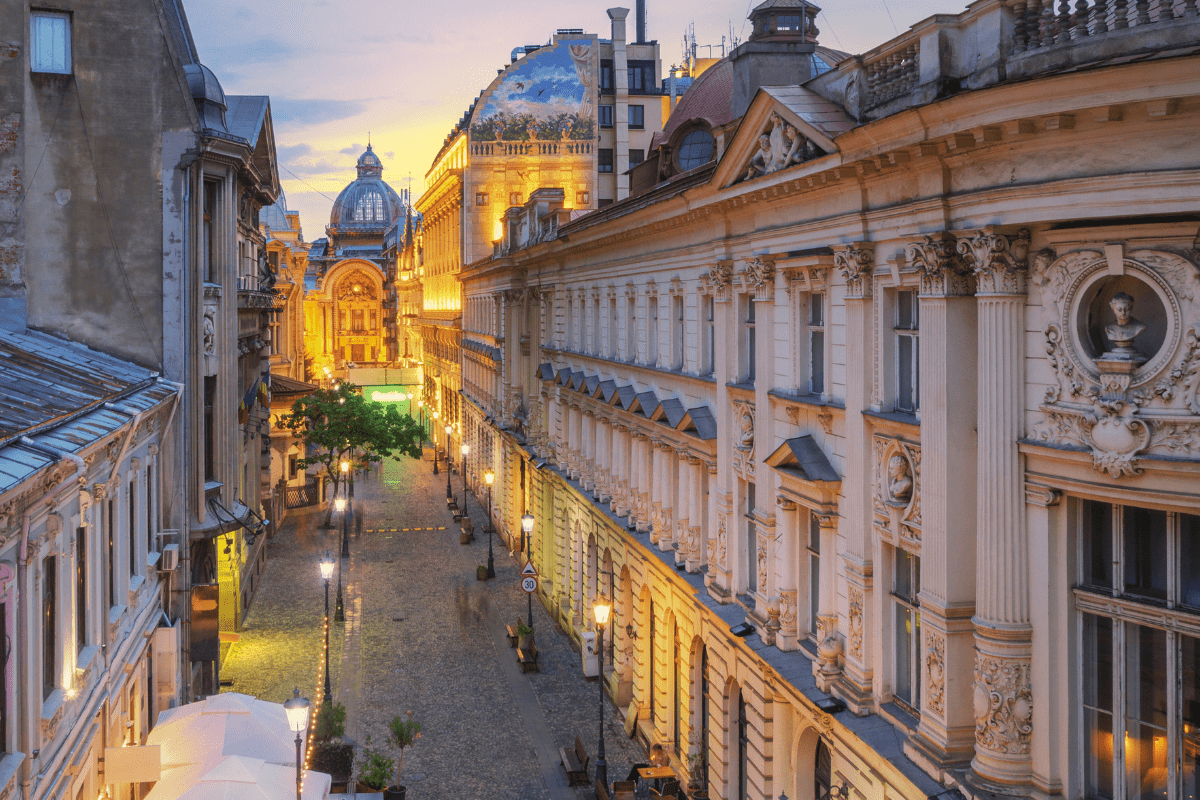
The George Enescu International Festival remains Romania’s most important classical music event and one of the largest festivals of its kind in Europe.
Every edition brings internationally renowned orchestras, conductors and soloists to Bucharest. Concerts take place in some of the capital’s most important venues, including the Romanian Athenaeum and Sala Palatului, drawing audiences from across Europe and beyond.
For visitors planning to visit Bucharest, the festival provides access to performances that would normally require travel to major cultural capitals. It also offers a different perspective on the city itself, revealing a side of Bucharest that extends far beyond its architecture and history.
The scale of the event surprises many first-time visitors and reflects the strong position classical music continues to hold within Romanian cultural life.
TIFF and the Cultural Life of Cluj
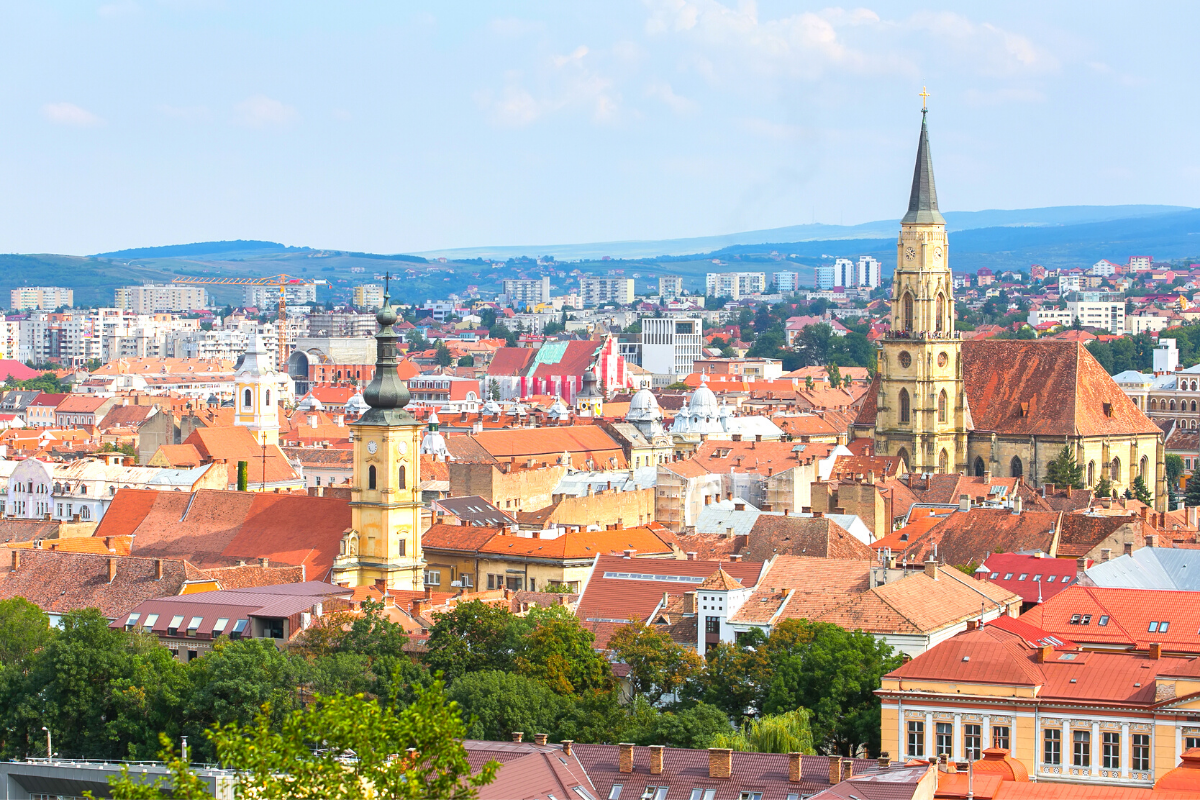
The Transylvania International Film Festival, better known as TIFF, has become one of the defining cultural events in Romania.
Every June, cinemas, courtyards and public spaces throughout Cluj-Napoca host screenings, discussions and industry events. The festival attracts filmmakers, critics and audiences from across the world while creating an atmosphere that spreads throughout the city.
TIFF also reflects the broader energy of Cluj. The city has developed into one of Romania’s most dynamic cultural centers, supported by its universities, creative industries and international outlook.
For travelers exploring Transylvania, the festival offers another reason to include Cluj in a wider itinerary that might also include Sibiu, Brașov and Sighișoara. It demonstrates how contemporary culture continues to shape the region alongside its medieval heritage.
Romanian Design Week and BETA
Romanian Design Week has become one of the country’s most important platforms for architecture, design and contemporary culture.
Each spring, exhibitions, installations and public events spread throughout Bucharest, presenting projects from Romania and abroad. The event attracts architects, designers, urban planners and visitors interested in how cities evolve.
In Timișoara, the Architecture Biennale BETA continues similar conversations about public space, heritage, restoration and the future of the built environment.
Together, these events present a side of Romania that many travelers do not expect. They focus on contemporary ideas, current challenges and emerging creative practices while remaining closely connected to the cities that host them.
Smaller Events Worth Planning a Trip Around
Some of the cultural events we enjoy most happen far from Romania’s largest cities.
The Gărâna Jazz Festival takes place in the mountains of Banat and has earned an international reputation among jazz enthusiasts. The setting contributes as much to the experience as the music itself, with performances unfolding among forests and rolling hills.
In Transylvania, the Luna Plină Festival brings cult and genre cinema to Biertan, one of the country’s most remarkable Saxon villages. Visitors spend as much time exploring the village and its UNESCO-listed fortified church as they do attending screenings.
Events like these remind us that cultural life in Romania extends well beyond Bucharest and the country’s major urban centers.
Another Way to Discover Romania
Many travelers come to Romania for its castles, mountains, villages and landscapes. Those places remain central to the experience. Yet cultural events offer another way to understand the country.
They bring together artists, musicians, architects, filmmakers, local communities and international visitors. They create reasons to travel beyond the peak season, spend more time in lesser-known places and experience regions through the people actively shaping them today.
For anyone interested in cultural events in Romania, these gatherings offer another way to understand the country.. They can provide a different route through the country, one guided by art, music, film and the communities that make them possible.
Interested in building a journey around one of Romania’s cultural events?
Get the Inner Story of Romania
"*" indicates required fields