Beyond Dracula Team Picks: Places to Visit in Romania
A Practical Guide to Romania Through Our Team’s Favorite Locations
Most “places to visit in Romania” lists focus on visibility: popular landmarks, well-known cities, or recently trending destinations. However, this guide follows a different logic. It is built from locations our team returns to across the country, places that we know intimately and love.
Each destination offers something specific: architecture, landscape, foodnor local culture. Together, they form a practical map of Romania that reflects how the country is experienced on the ground.
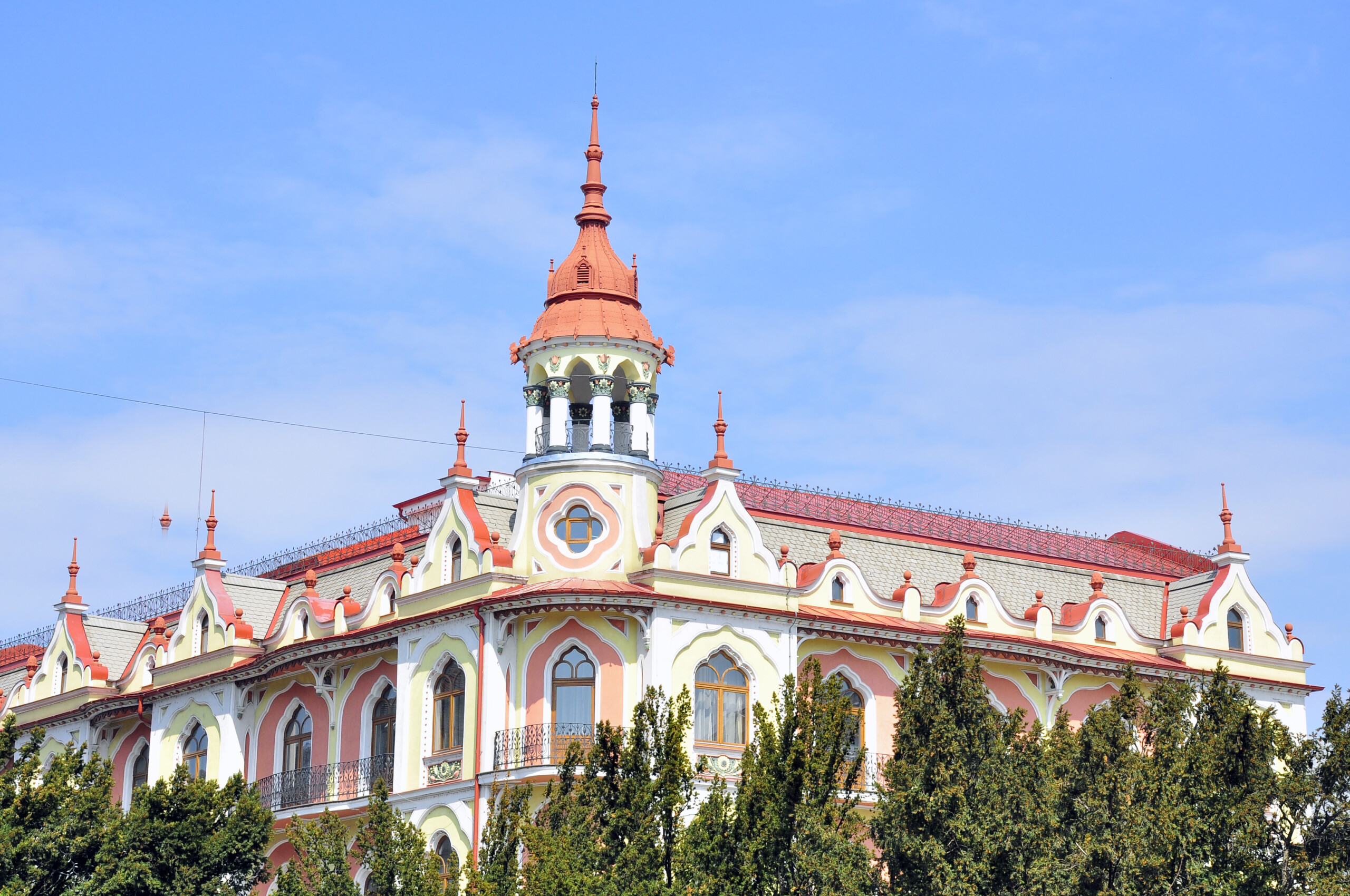
Oradea: Art Nouveau Architecture and Urban Restoration
Oradea stands out for its concentration of Art Nouveau buildings, many of which the city has restored over the past decade. Palaces such as the Black Eagle Palace and the Moskovits buildings define the city center, where restoration teams brought facades back to their original color palettes and decorative details.
The central area remains compact and walkable. As a result, visitors can easily understand the architectural coherence of the city. Public squares, pedestrian streets and restored interiors clearly show how historic urban fabric can be maintained and reused.
Enisala and the Road to Tulcea: Open Landscapes and Delta Access
The road between Enisala and Tulcea introduces a different geography. Here, the terrain flattens into wide agricultural fields, punctuated by wind turbines and small villages. Enisala itself is known for its medieval fortress, positioned on a hill overlooking Razim Lake.
This route also serves as one of the main access points toward the Danube Delta. Therefore, many travelers use it as a transition between inland Romania and the coastal or delta regions.
Corbu and Vadu: Wild Beaches on the Black Sea Coast
Corbu and Vadu remain among the last stretches of the Romanian Black Sea coast where large-scale development has not taken hold. The beaches stay wide, undeveloped and accessible via unpaved roads.
In addition, these areas form part of the Danube Delta Biosphere Reserve buffer zone, which limits construction and preserves the natural landscape. Visitors should plan ahead, as infrastructure remains minimal, especially in terms of supplies and transport.
Bucovina and Casa cu Cerbi: Food and Rural Hospitality
In Bucovina, Casa cu Cerbi operates as a guesthouse focused on traditional cuisine and shared dining. Hosts serve meals at long tables and often prepare recipes based on seasonal, local ingredients.
The region itself is known for its painted monasteries. However, experiences like this provide a different entry point into Bucovina, centered on food, hosting practices and daily life.
St. Ana Lake: A Volcanic Lake in the Eastern Carpathians
St. Ana Lake is the only volcanic lake in Romania, located in the Ciomatu Massif. It sits within a former volcanic crater and is surrounded by dense fir forest.
Visitors typically reach the lake via a forest road followed by a short walk. Authorities protect the area, and they enforce regulations regarding swimming and waste management. Nearby, the Tinovul Mohoș peat bog offers an additional ecological site of interest.
Sibiu: Saxon Heritage and Urban Structure
Sibiu remains one of the best-preserved Saxon cities in Romania. Its layout includes large central squares (Piața Mare and Piața Mică), connected by narrow streets and passages.
A distinctive feature of Sibiu’s architecture is the presence of roof windows known locally as “eyes,” integrated into steep tiled roofs. Meanwhile, the city also functions as a cultural hub and regularly hosts events such as the Sibiu International Theatre Festival.
Breb and Păstrăvăria Alex: Rural Maramureș
Breb is a village in Maramureș known for its wooden gates, traditional houses and active rural life. It remains one of the places where older construction techniques and land use patterns are still visible.
Nearby, Păstrăvăria Alex operates as a trout farm and restaurant. Staff prepare fish on-site and serve meals outdoors, alongside simple regional dishes. As a result, the setting combines food production with hospitality in a single location.
Corund: Ceramics and Local Craft Traditions
Corund is recognized for its ceramic production, with workshops and shops concentrated along the main road. Artisans create pottery using hand-painted motifs and traditional glazing techniques.
The village also has a significant Hungarian-speaking population. Therefore, visitors encounter both Romanian and Hungarian cultural influences in language, design and daily life. Travelers can observe production processes and purchase items directly from artisans.
Băile Herculane: Thermal Springs and Historic Spa Architecture
Băile Herculane is one of the oldest spa towns in Europe, with documented use of thermal waters since Roman times. The existing buildings largely date from the Austro-Hungarian period and include bathhouses, pavilions and hotels.
Today, many of these structures remain in different stages of preservation. In addition, the town provides access to hiking routes along the Cerna River, which connect built heritage with natural surroundings.
Retezat and Râu de Mori: Mountain Landscapes and Access Points
The Retezat Mountains form one of Romania’s most important national parks, known for glacial lakes and alpine terrain. Râu de Mori serves as a common access point on the northern side of the park.
From here, visitors can reach trailheads leading to peaks and lakes such as Bucura. The area also includes smaller villages and guesthouses, which support multi-day stays for hiking and exploration.
Zabola Estate: Restored Buildings and Managed Landscapes
Zabola Estate, located in Covasna County, includes a large historic property with restored buildings, forest paths and open grounds. The estate operates as accommodation while maintaining elements of its original structure.
The layout includes walking routes, lakes and access to surrounding woodland. As a result, visitors can move through different parts of the property without leaving the grounds.
Sulina and Chilia Veche: Life in the Danube Delta
Sulina sits at the point where the Danube meets the Black Sea. It has a layered history shaped by international trade, which is still visible in its architecture and layout. Access is primarily by boat, and this directly shapes how people move in and out of the town.
Chilia Veche lies further inside the Delta and offers a more remote setting. The area is defined by waterways, reed beds and limited infrastructure. Therefore, travel here requires planning, as transport schedules and services remain less frequent.
Planning a Trip to Romania Based on Real Locations
These places form part of how we experience Romania at Beyond Dracula. Each destination contributes a specific element such as architecture, food, landscape or history, that builds a broader understanding of the country.
If you are researching places to visit in Romania, this selection offers a starting point grounded in locations we love.
Get the Inner Story of Romania
"*" indicates required fields